Cheap end of tenancy cleaning Northumberland Heath guide
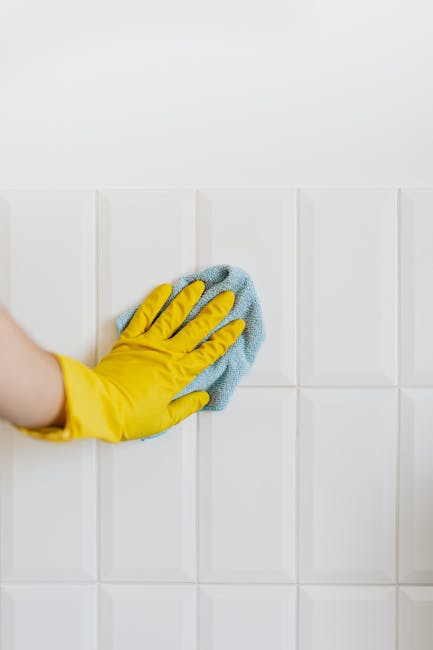
If you are moving out of a flat or house in Northumberland Heath, the cleaning can feel like the last big hurdle. Boxes everywhere, a deadline looming, and then the landlord or letting agent expects the place to look near-new. This Cheap end of tenancy cleaning Northumberland Heath guide is here to make that process simpler, less stressful, and a lot more budget-friendly. The aim is not to cut corners in a risky way. It is to help you spend wisely, clean smartly, and avoid the little mistakes that can cost you time or deposit money. Truth be told, a well-planned clean often matters more than an expensive one done badly.
Below, you will find a practical breakdown of what end of tenancy cleaning actually involves, how cheap options work without becoming false economy, what to prioritise, and how to decide whether to DIY or book a professional service. There is also a checklist, comparison table, and a few honest tips from the real world - the sort that help when you are standing in an empty hallway at 7pm wondering why the oven still looks like that.
- Why cheap end of tenancy cleaning matters
- How the cleaning process works
- Key benefits and practical advantages
- Who this guide is for
- Step-by-step guidance
- Expert tips for better results
- Common mistakes to avoid
- Tools, resources and recommendations
- Law, compliance and best practice
- Options and comparison table
- Case study / real-world example
- Practical checklist
- Conclusion
- Frequently asked questions
Why Cheap end of tenancy cleaning Northumberland Heath guide Matters
End of tenancy cleaning matters because it sits right at the point where money, time, and expectations meet. When a tenancy ends, the property is usually assessed against its condition at move-in, allowing for fair wear and tear. That sounds straightforward, but in practice a few overlooked details can lead to a dispute over deductions. Dirty grout, greasy kitchen cupboards, dust on skirting boards, or a bathroom that looks "mostly done" can all become talking points.
In Northumberland Heath, where many renters want a quick turnaround between tenancies, cheap cleaning is often about efficiency rather than bargain-bin pricing. The best value usually comes from knowing what to clean, what to leave to specialists, and where the landlord or agent is likely to look closely. A hallway may not matter much. A streaky oven door usually does. Annoying, yes. Predictable, also yes.
There is another reason this matters locally: moving days are rarely calm. You are sorting keys, redirecting post, booking vans, and trying to remember whether you packed the kettle. A cheap but well-organised end of tenancy clean helps reduce that chaos. It gives you a clear plan and, if you decide to hire help, a cleaner idea of whether a quote is actually good value. For context on what a reputable local cleaner may offer, it can help to review the company's pricing and quotes information alongside any service descriptions you are considering.
Key takeaway: cheap end of tenancy cleaning should mean smart prioritisation, not reduced standards. Focus on the areas that affect the inspection most, and you are already halfway there.
How Cheap end of tenancy cleaning Northumberland Heath guide Works
At its core, end of tenancy cleaning is a deep clean intended to return the property to a presentable, move-in-ready condition. It is usually more detailed than a regular weekly clean. Think of it as the difference between "looks tidy" and "scrubbed, checked, and finished properly."
A cheap approach works best when it is structured. First, identify the high-risk areas: kitchen, bathroom, floors, carpets, touchpoints, and any surface that collects grease or dust. Then decide what you can do yourself and what should be outsourced. For example, you might handle shelves, cupboards, and light dusting, while bringing in professional help for heavy carpet work, oven cleaning, or stubborn upholstery marks.
A sensible service often includes:
- kitchen degreasing and surface wipe-downs
- bathroom sanitising and limescale removal
- vacuuming and floor cleaning throughout
- internal window and sill cleaning
- spot treatment for stains where possible
- carpet or upholstery cleaning if required
Sometimes the quickest route to a polished result is to combine tasks. A property with tired carpets, a used sofa, and a few pet smells will benefit from services such as carpet cleaning, steam carpet cleaning, or pet stain odour removal. That does not mean you need every add-on. It means matching the job to the actual condition of the property. Sensible, not fancy.
If you are comparing providers, check how they explain what is included. A cheap quote that excludes the main problem areas can end up costing more later. That is one of those small traps people only notice when the inspector has already been round. Not ideal.
Key Benefits and Practical Advantages
The obvious benefit is saving money, but there is more to it than that. A cheap end of tenancy cleaning plan can reduce stress, save time, and help you stay focused on the move itself. When done well, it can also improve your chances of handing back the property in acceptable condition without a last-minute panic clean.
Here are the practical advantages in plain English:
- Better budget control: you can allocate money to the rooms or tasks that matter most.
- Less moving-day chaos: a structured clean prevents that frantic "where's the bleach?" situation.
- Improved inspection readiness: a focused deep clean is more likely to match agent expectations.
- Reduced re-cleaning: doing key tasks properly first time saves return visits and extra effort.
- More flexibility: you can mix DIY work with specialist help where needed.
There is also a subtle but important benefit: cheap does not have to mean basic. A budget-conscious clean can still be thorough if the process is organised. In our experience, the best results come from treating the job room by room, not just "cleaning around the flat" and hoping for the best.
To make that more practical, think about surface types. A kitchen with laminate worktops needs a different approach from a bathroom with tile and chrome fittings. A lounge with a wool rug may need different treatment from a synthetic fitted carpet. If those details sound minor, they really are not. Small differences make a big difference to the finished result, especially when a letting agent is looking at light, angles, and residue that somehow only appears when the curtains are open at 9am.
Who This Is For and When It Makes Sense
This guide is useful for tenants, landlords preparing a changeover, student renters, and anyone moving out of a property in or around Northumberland Heath. It is especially relevant if you are trying to balance a tight move-out schedule with the need for a proper clean.
You will probably find it most useful if you are:
- moving out at short notice
- trying to keep cleaning costs manageable
- sharing a property and splitting tasks
- dealing with carpet marks, pet odours, or upholstery stains
- wanting to avoid a dispute over cleanliness at check-out
- comparing DIY cleaning with a professional service
It also makes sense if your property has a few "problem areas" rather than widespread dirt. For example, maybe the flat is generally tidy but the oven is rough, the lounge carpet has traffic marks, and the sofa needs a refresh. In that case, a targeted service is often better value than paying for a full-package clean you do not need. Services like sofa cleaning, upholstery cleaning, or rug cleaning may make more sense than a general wipe-and-go approach.
On the other hand, if the place is already in decent shape and you are moving somewhere else the same day, you may only need a focused top-up clean. That is often where cheap end of tenancy cleaning is most useful: getting the last 20% done without paying for a full-scale overhaul.
Step-by-Step Guidance
If you want the job done cheaply without cutting the wrong corners, follow a simple process. It is not glamorous, but it works.
- Read your tenancy agreement carefully. Look for cleaning clauses, carpet conditions, and any inventory notes. You are checking for expectations, not trying to decode ancient text.
- Inspect room by room. Make a list of what is genuinely dirty, stained, greasy, dusty, or damaged.
- Separate DIY tasks from specialist tasks. You can often manage dusting, wiping, and light limescale removal yourself. Deep stains, embedded grime, and heavy carpets may need professional equipment.
- Prioritise the inspection zones. Kitchens, bathrooms, floors, and visible surfaces usually matter most.
- Book any specialist work early. If you need carpet or stain treatment, do not leave it until the last evening. Time passes quickly when you are packing cable bins and looking for passport copies.
- Clean from top to bottom. Dust high shelves, lights, and tops of doors before working down to skirting boards and floors.
- Do a final pass with daylight if possible. Morning or midday light shows streaks, missed corners, and dusty edges better than evening bulbs.
- Photograph the finished property. Keep a clean record for your own peace of mind.
A lot of people skip the inspection stage and jump straight into wiping surfaces. That is where the budget leaks happen. You buy the wrong products, spend too long on the wrong room, and still miss the limescale behind the taps. Better to be methodical, even if it feels a bit dull.
If you are using a professional cleaner, be clear about what needs attention. Mention stains, pet issues, smoke odours, and delicate materials. If there are curtains or mattresses that need a separate refresh, you might also explore curtain cleaning or mattress cleaning. That kind of joined-up thinking tends to save money overall, because the job is scoped properly the first time.
Expert Tips for Better Results
A few practical tips can make a cheap clean look much more expensive than it was. The trick is not magic. It is usually timing, sequencing, and attention to the awkward bits people ignore.
- Start with the greasy stuff. Kitchen residue gets harder to remove if you leave it until last.
- Use the right cloth for the job. Microfibre is excellent for dust and polish, while a tougher cloth helps with stubborn marks. No need to make life harder than it already is.
- Spot-treat stains early. The longer a spill sits in carpet fibres, the more likely it is to set.
- Work in natural light where you can. It reveals streaks fast.
- Keep a fresh bin bag nearby. As you clear out the property, a lot of hidden clutter appears. Bit annoying, but useful.
Another tip: ask for clarity rather than assumptions. A decent service should be able to explain what their quote covers and what happens if extra stain work is needed. If you want to understand how a provider handles cost transparency and payment setup, it is sensible to review their payment and security and related service information before booking.
And one more thing. Cheap is not just about the final invoice. It is about avoiding repeat work. If a task needs doing twice, it was never really cheap in the first place.
Common Mistakes to Avoid
There are a few classic end of tenancy cleaning mistakes, and they are common for a reason. Moving house does strange things to the brain. You can be highly organised one moment and then forget the bathroom mirror entirely. Happens all the time.
- Cleaning before the room is empty. It sounds efficient, but furniture hides dust, stains, and marks.
- Ignoring appliances. Ovens, fridges, and extractor fans are easy to overlook and easy to inspect.
- Using too much product. Excess cleaner can leave residue, streaks, or sticky surfaces.
- Forgetting edges and touchpoints. Handles, light switches, and skirting boards show dirt more than people expect.
- Assuming "tidy" equals "clean". They are not the same thing, unfortunately.
- Leaving carpet spots untreated. A visible mark on a pale carpet can dominate the whole room.
One of the biggest mistakes is paying for a service without checking whether specialist tasks are needed. A general clean may not solve stubborn odours, pet-related marks, or deep upholstery dirt. If that is part of the property's condition, consider targeted help such as stain removal or, where appropriate, specialist carpet work. It sounds obvious, but that is exactly why people miss it.
Also, do not leave the final inspection clean to the last hour before checkout. You want breathing room. The kind where you can step back, open a window, and decide whether that skirting board is actually clean or just pretending.
Tools, Resources and Recommendations
You do not need a van full of kit to handle a move-out clean well. In fact, a small, sensible set of tools is usually enough for the DIY parts. If you are keeping costs down, choose versatile products rather than buying one cleaner for every tiny task.
A practical kit might include:
- microfibre cloths
- vacuum cleaner with attachments
- bucket and mop
- non-abrasive all-purpose cleaner
- glass cleaner
- degreaser for kitchen surfaces
- soft brush or detail brush
- rubber gloves
- fresh bin liners
If the property has carpets, rugs, or mixed upholstery, it may be more cost-effective to combine your own surface cleaning with a professional finish on the tougher items. That is especially true if the floor coverings are holding onto old traffic marks or pet smells. A service that offers steam carpet cleaning alongside fabric care can often simplify the job without making it unnecessarily expensive.
For peace of mind, it is also worth checking the cleaner's trust pages before you book. The pages on about us, insurance and safety, and health and safety policy can help you understand how they operate. If you care about environmental choices, their recycling and sustainability information may be useful too. Small things, but they add up when you are choosing who to trust in your home.
Law, Compliance, Standards, or Best Practice
End of tenancy cleaning is not usually about one single law or strict national cleaning checklist. More often, it comes down to the tenancy agreement, inventory condition, and fair wear and tear. That said, the cleaner's job and your responsibilities should still be handled sensibly and professionally.
Good practice in the UK generally means:
- leaving the property in a reasonably clean condition
- following the inventory and check-in report as a reference point
- separating normal wear from avoidable dirt or damage
- using cleaning methods that suit the material, not just the stain
- keeping communication clear if extra work is needed
If you are booking a professional cleaner, it is smart to check the terms around scope, payment, and complaints before you commit. That helps avoid misunderstanding later if something is excluded or needs a follow-up. You can review the company's terms and conditions and complaints procedure so you know where you stand. It is not the glamorous part of moving, I know, but it is the sensible part.
Also, if the property has been occupied by pets or has visible hygiene issues, it is worth addressing those honestly rather than hoping they will be overlooked. Odours and stains are the sort of thing that can linger even after a surface clean. That is where targeted best practice matters more than a rushed general tidy.
Options, Methods, or Comparison Table
Choosing the cheapest route is not always the cheapest result. A better way is to compare the real options based on time, effort, and risk of having to re-do the work.
| Option | Best for | Pros | Watch-outs |
|---|---|---|---|
| Full DIY clean | Small, lightly used properties | Lowest cash cost, total control | Time-consuming, easy to miss detail |
| Hybrid clean | Most renters on a budget | Good value, targeted help where it matters | Needs decent planning and coordination |
| Professional deep clean | Busy moves, heavy use, stained carpets | Efficient, usually more thorough | Higher upfront cost if the scope is broad |
A hybrid approach often wins in real life. For example, you might clean the kitchen, bathroom, and surfaces yourself, then book specialist help for carpets, upholstery, or tricky stain work. That way you are not paying a premium for tasks you can do well on your own, but you are not gambling on the bits that are harder to fix later.
If the property includes worn seating or visible fabric marks, a combined approach can be especially useful with sofa cleaning or upholstery cleaning. Again, the idea is not to buy more than you need. It is to avoid under-buying the one service that actually solves the issue.
Case Study or Real-World Example
Here is a realistic scenario. A tenant in Northumberland Heath is moving out of a two-bedroom flat at the end of the month. The flat is generally tidy, but the kitchen has grease near the extractor area, the bedroom carpet has a couple of dark marks, and the lounge sofa has a faint odour from years of everyday use. They have one evening after work and a half-day on the weekend before handover.
Instead of trying to clean everything from scratch, they break the job into three parts. First, they do the obvious DIY tasks: cupboards, sinks, bathroom surfaces, windowsills, dusting, and floors. Second, they book professional carpet work for the bedroom and lounge, because those marks are the sort that can look worse under daylight. Third, they arrange targeted treatment for the sofa because the smell is not something a quick spray will solve. It is simple, really.
The result is not a perfect showroom property, because let's face it, most rented homes are lived in. But it is clean, tidy, and presented properly. More importantly, the work is matched to the actual issues rather than treating the whole flat as if it were one giant cleaning emergency. That is the difference between cheap and clever.
If you are in a similar position, you can use the same model: identify the visible problem areas, do the manageable work yourself, and spend on specialist cleaning only where it materially improves the final result.
Practical Checklist
Use this before you hand the keys back. It keeps the final day calmer, and calmer is good.
- Property fully emptied of belongings
- All cupboards and drawers wiped inside and out
- Kitchen surfaces degreased
- Oven, hob, extractor, and splashback cleaned
- Bathroom tiles, taps, toilet, sink, and shower cleaned
- Windowsills, skirting boards, and visible dust removed
- Floors vacuumed and/or mopped
- Carpets inspected for spots and marks
- Rugs, curtains, or upholstery checked for stains or odours
- Light switches, handles, and high-touch areas wiped
- Bins emptied and areas deodorised
- Final photos taken in daylight
- Keys, meter readings, and handover details ready
If you get through that list with time left over, brilliant. Put the kettle on, sit down for five minutes, and enjoy the rare feeling of a move going as planned. Not often, but it happens.
Conclusion
A cheap end of tenancy cleaning plan in Northumberland Heath should be about value, not compromise. The best approach is usually a mix of clear priorities, honest assessment, and selective professional help where the work is harder or more technical. That is how you keep control of the budget while still giving yourself a proper chance of a smooth handover.
Remember the basics: clean the high-impact areas first, treat stains early, check your tenancy paperwork, and do not underestimate the difference that carpets, upholstery, or odours can make to a final inspection. If you stay practical and a little methodical, the whole process becomes less intimidating. Messy move-outs are normal. Managed move-outs are better.
When you are ready to compare options or book support, take a moment to review the service details and make sure the quote fits what your property actually needs. That small pause can save money and stress both.
Get a free quote today and see how much you can save.
And then, hopefully, you can leave the flat behind with a clear head and a lighter bag.
Frequently Asked Questions
What does cheap end of tenancy cleaning usually include?
It usually includes the key move-out areas: kitchen surfaces, bathroom cleaning, floors, dusting, skirting boards, and general deep-clean touchpoints. The exact scope depends on the property and the provider. If carpets, upholstery, or stains are a concern, those may be priced separately.
How do I keep end of tenancy cleaning affordable?
The easiest way is to split the work. Handle the basic cleaning yourself and pay only for specialist tasks that are harder to do well, such as deep carpet care or stubborn stain treatment. That hybrid approach often gives the best value.
Is professional cleaning worth it before moving out?
Often, yes, especially if the property has carpets, odours, greasy kitchen areas, or limited time before checkout. Professional cleaning is not always required, but it can reduce the chance of missing details that may matter during inspection.
What areas do landlords and letting agents check most closely?
Kitchens, bathrooms, floors, carpets, and any visible marks or odours tend to get the most attention. Cupboards, extractor fans, and skirting boards are also common inspection points because dirt is easy to spot there.
Can I do end of tenancy cleaning myself?
Yes, if the property is in decent condition and you have time, tools, and patience. The challenge is consistency. Most people can do the basics, but deeper stains, carpets, and fabric items can be harder to finish to a good standard.
Do carpets need to be professionally cleaned when I move out?
Not always, but it depends on your tenancy agreement, the carpet condition, and whether there are stains or heavy traffic marks. If the carpets look tired or show visible marks, professional carpet cleaning can be a smart move.
What if there are pet smells or stains?
Pet-related issues usually need more than surface cleaning. Odours can settle into carpets, rugs, and soft furnishings. In those cases, targeted treatment is often more effective than standard cleaning products alone.
How far in advance should I book a cleaner?
As soon as you know your move-out date, especially if you need specialist work. Leaving it to the last couple of days can limit availability and make the clean more stressful than it needs to be.
What should I ask for in a quote?
Ask what is included, what is excluded, whether stain treatment costs extra, and how the cleaner handles carpets, upholstery, or pets. It is also sensible to check payment details and the provider's terms before confirming.
How do I know if a cheap quote is actually good value?
Look at what the quote covers rather than focusing on the headline number. A lower price is only good value if it includes the tasks that matter for your property. If the quote leaves out the problem areas, it may not be cheap at all.
What is the difference between standard cleaning and end of tenancy cleaning?
Standard cleaning is usually lighter and more routine. End of tenancy cleaning is deeper and more detailed, with extra focus on hidden grime, appliances, marks, and inspection-ready presentation. It is the difference between "tidy" and "ready to hand back".
What should I do on the day of the final inspection?
Do a last visual check in good light, empty bins, wipe any fingerprints, and make sure all rooms are clear. Keep keys, paperwork, and meter readings ready. If you have time, walk through the property once more slowly. You will usually spot one tiny thing you missed. There is always one.